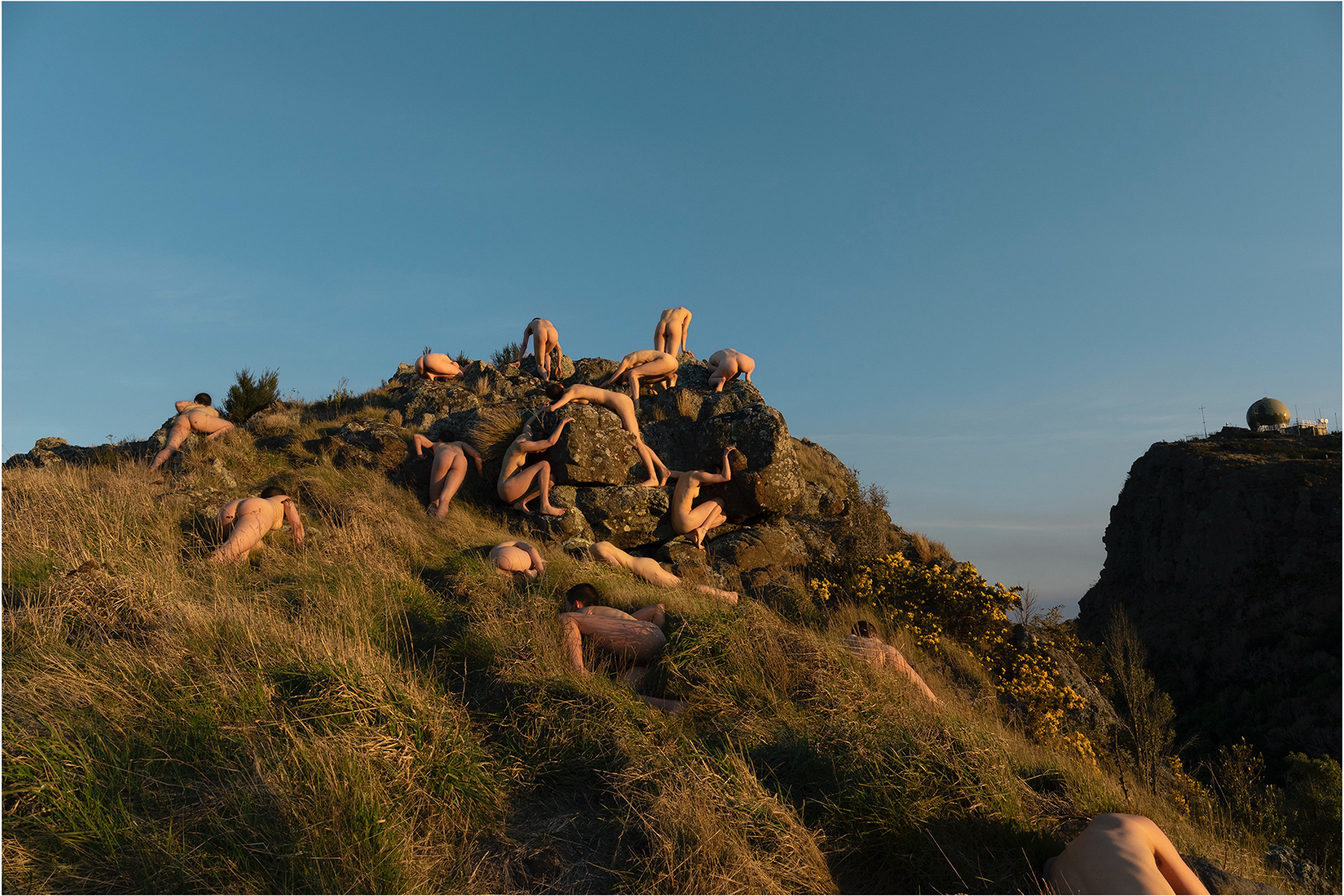
My Body Is My Vehicle #7, 2020, Dyers Pass Banks Peninsula
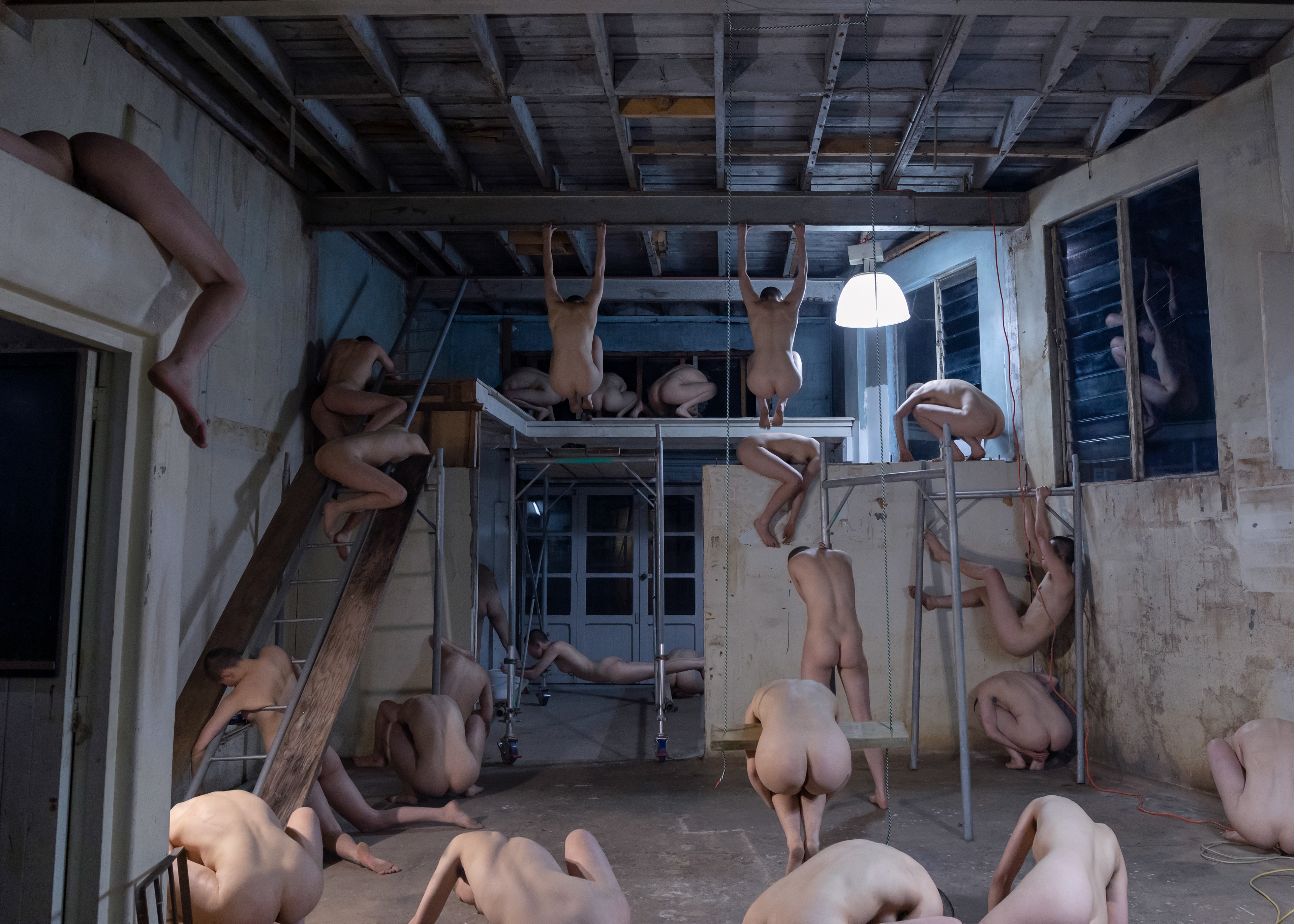
My Body Is My Vehicle #13, 2021, Ed's workshop Christchurch
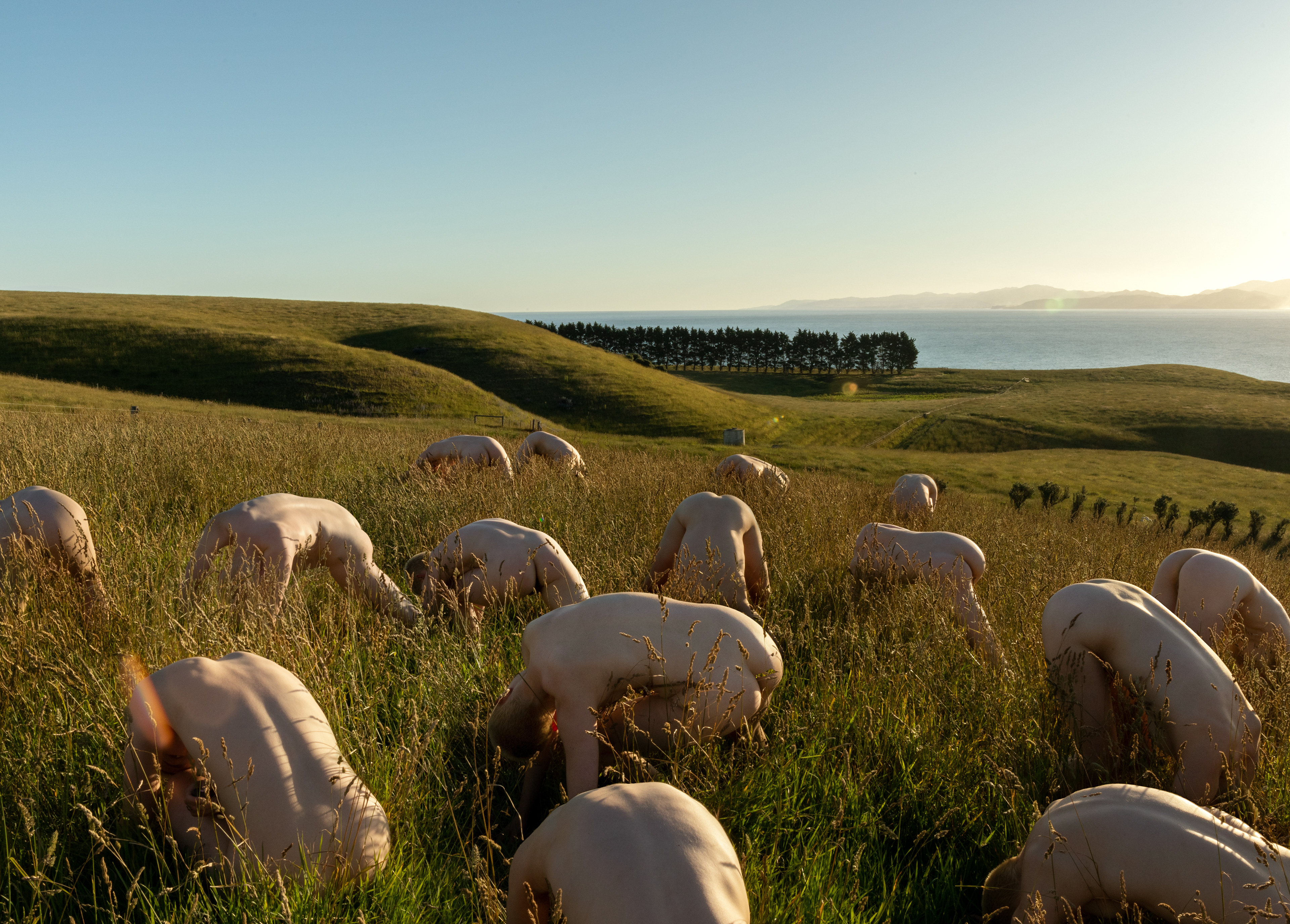
My Body Is My Vehicle #10, 2021, Kaikōura lookout
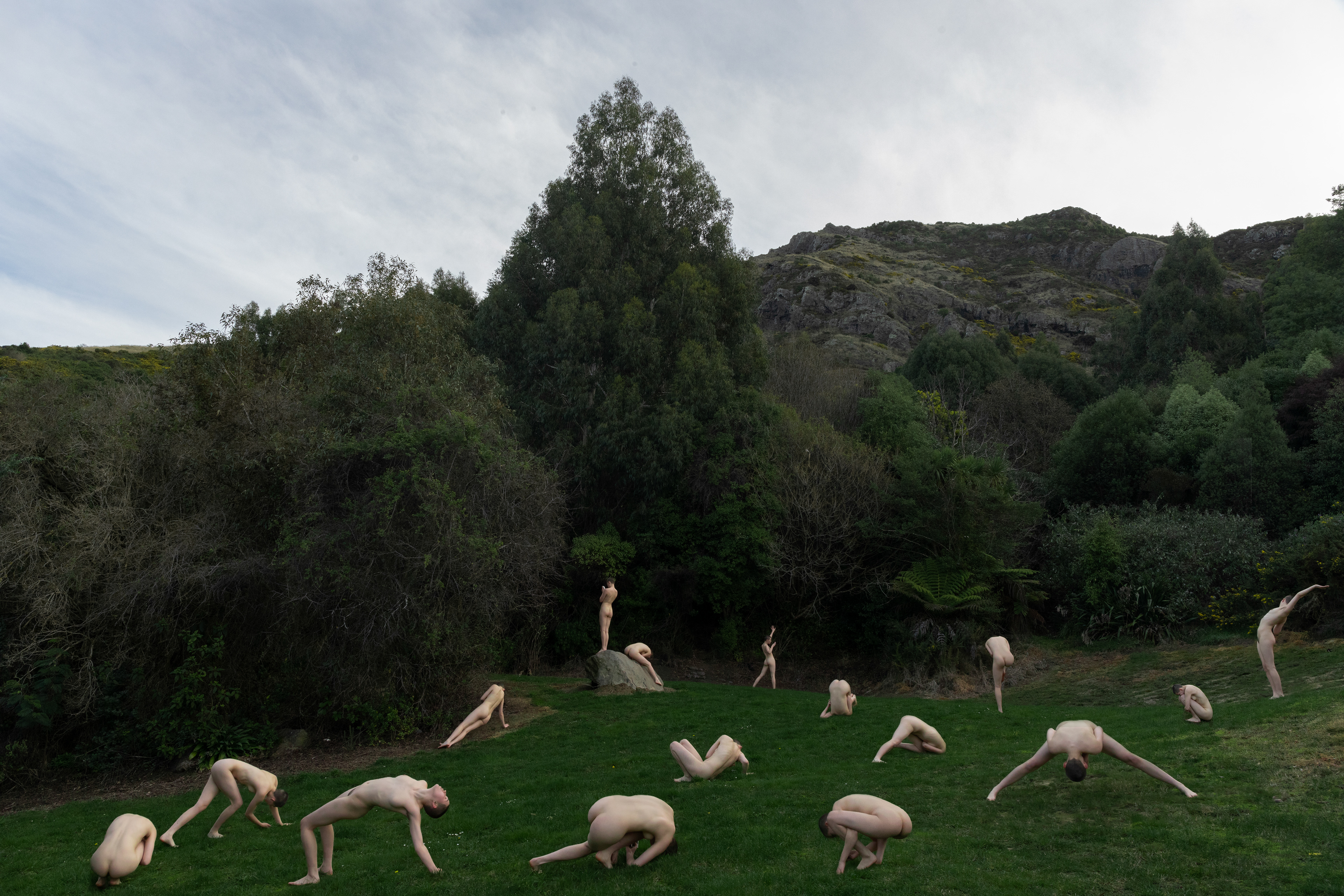
My Body Is My Vehicle #6, 2020, Red zoned land Governors Bay
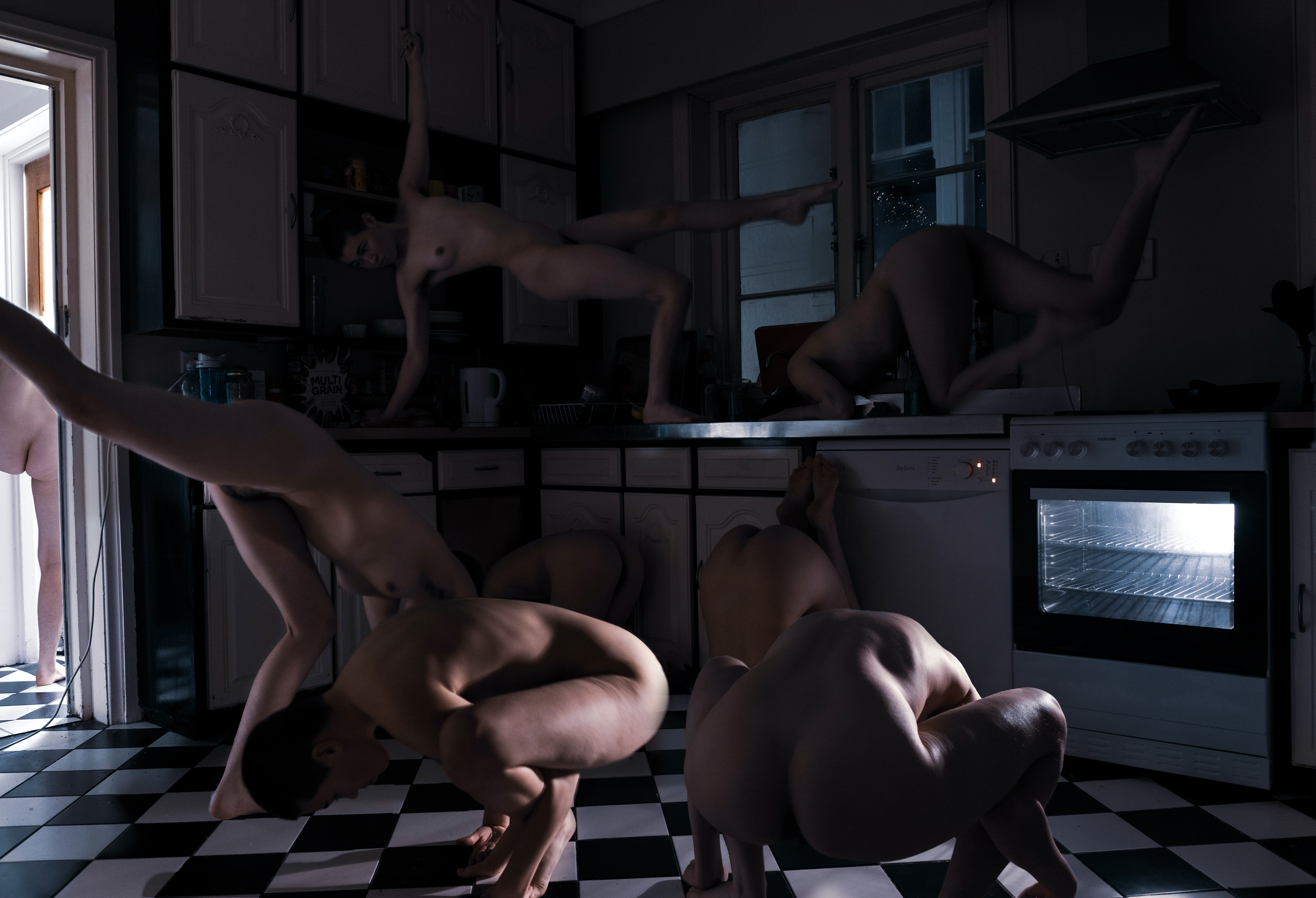
My Body Is My Vehicle #3, 2020, My flat's kitchen Wellington
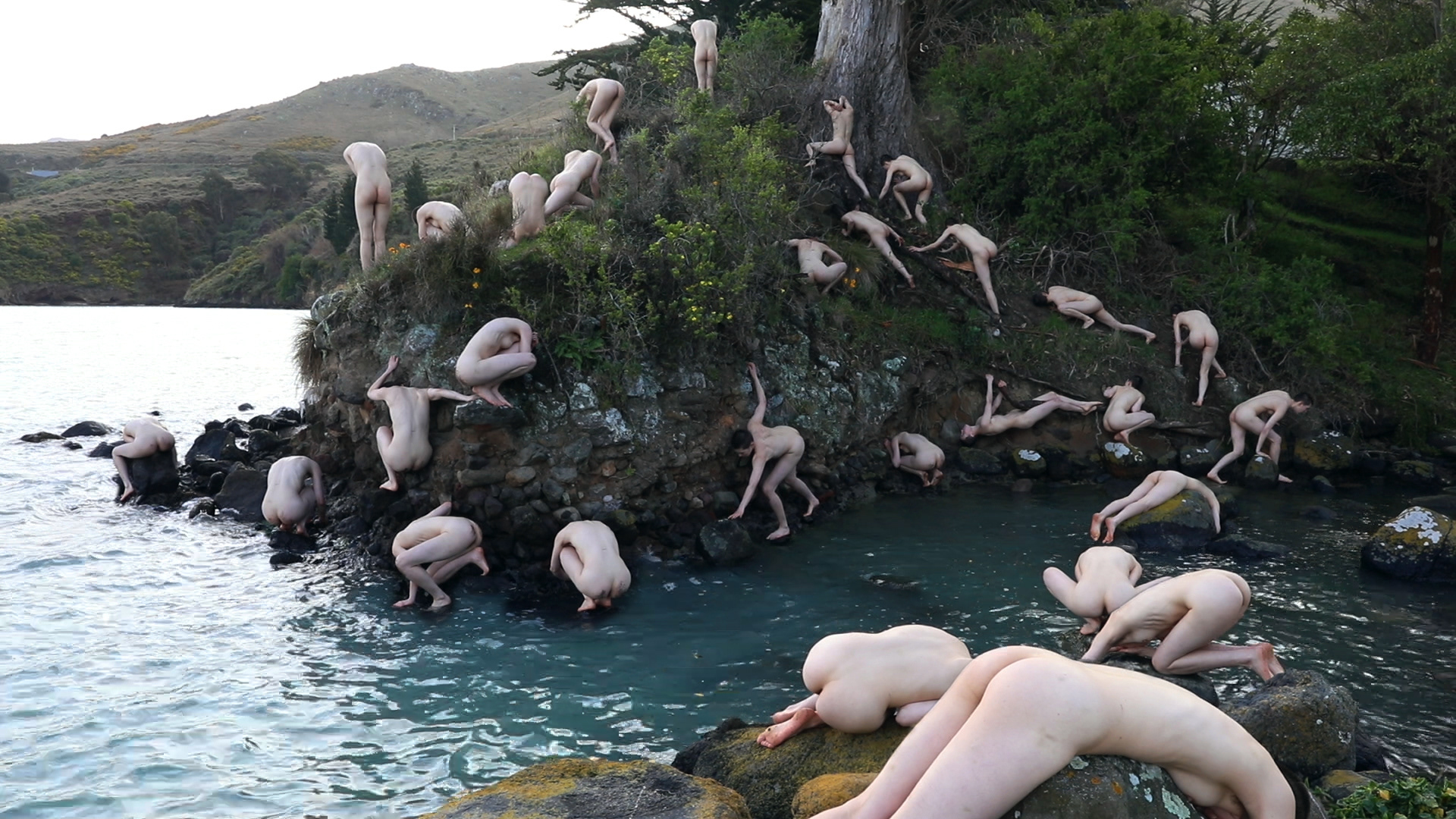
My Body Is My Vehicle #8, 2020, Rāpaki
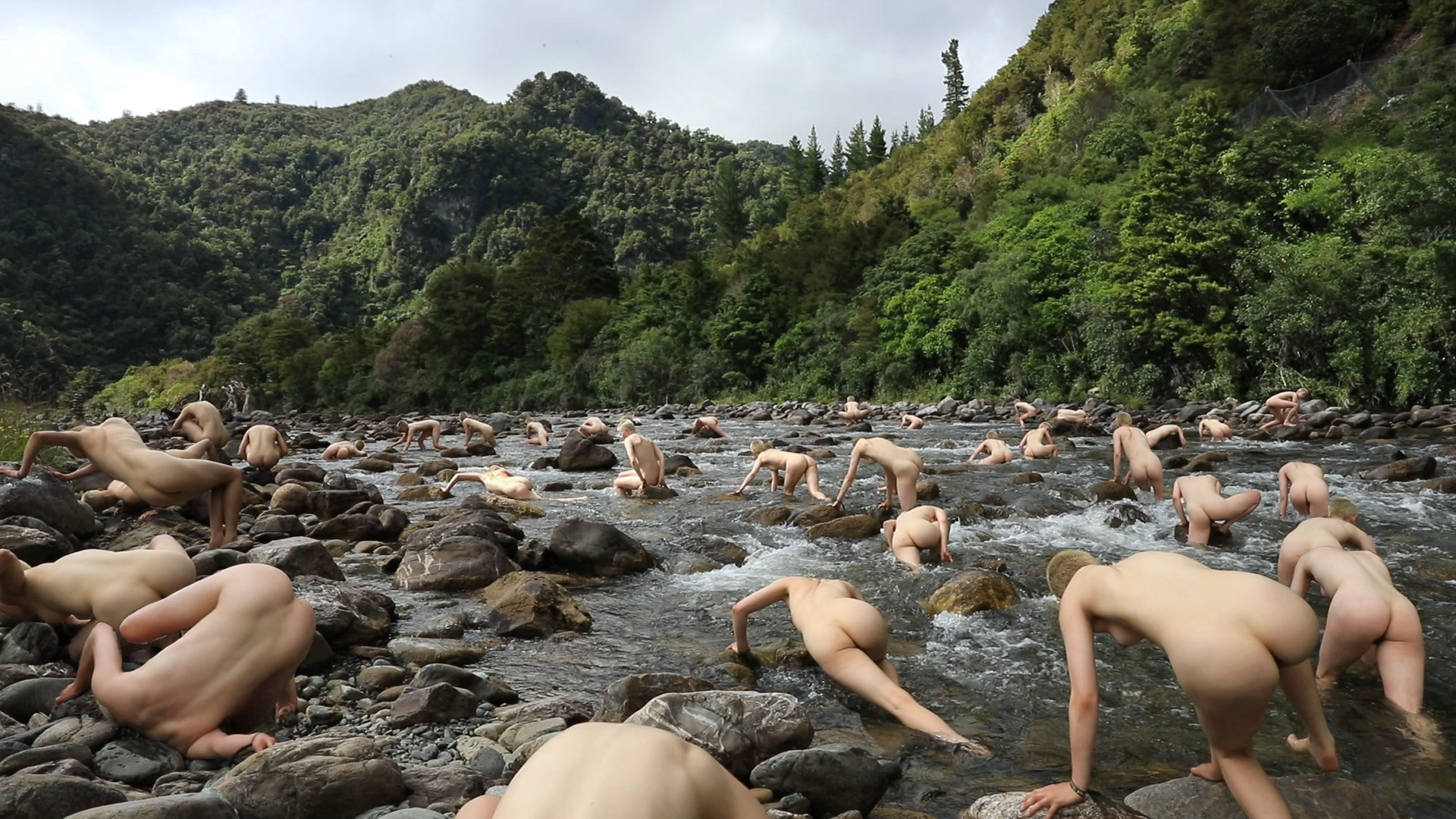
My Body Is My Vehicle #11, 2021, Cobb Valley
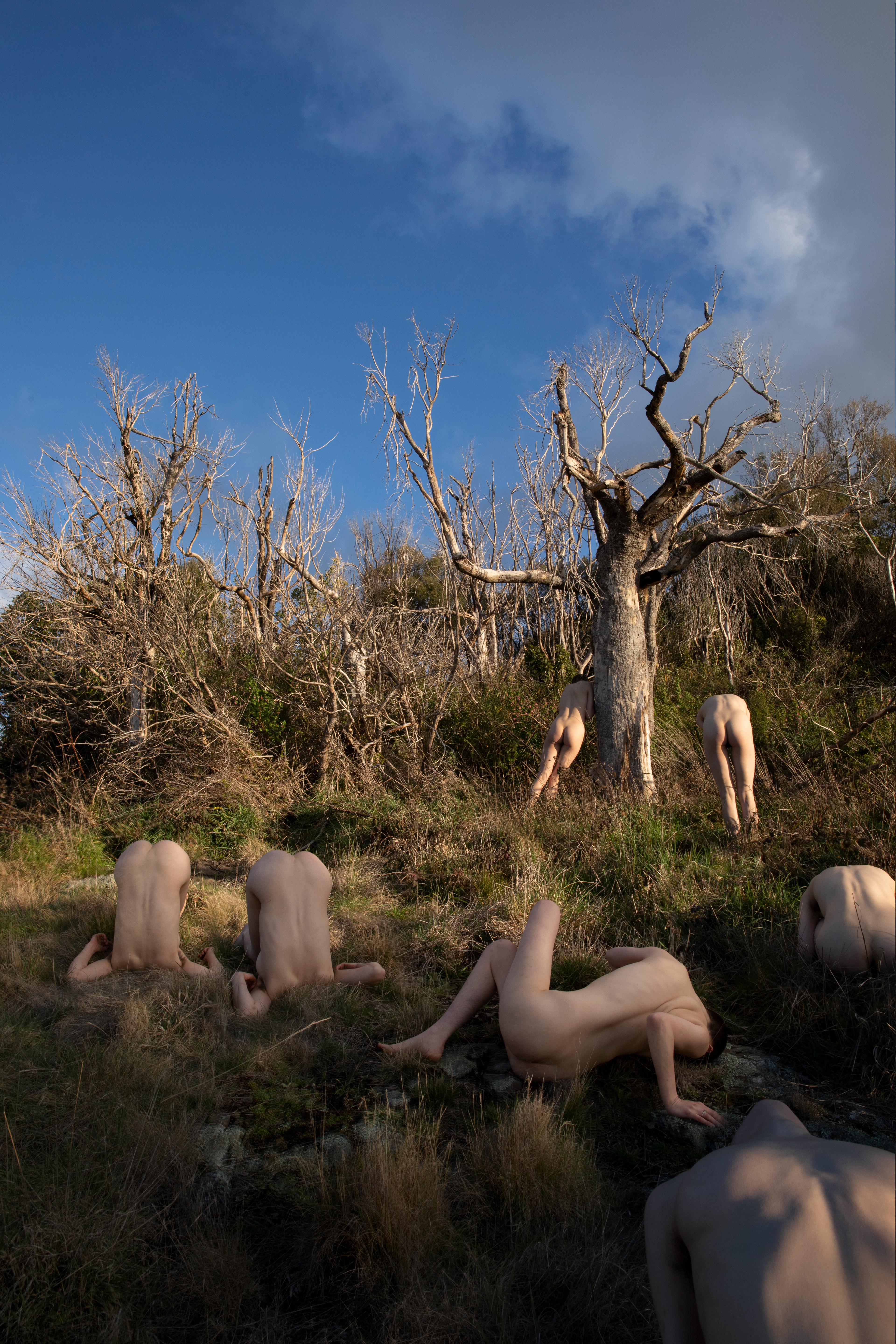
My Body Is My Vehicle #9, 2020, Dyers Pass Banks Peninsula
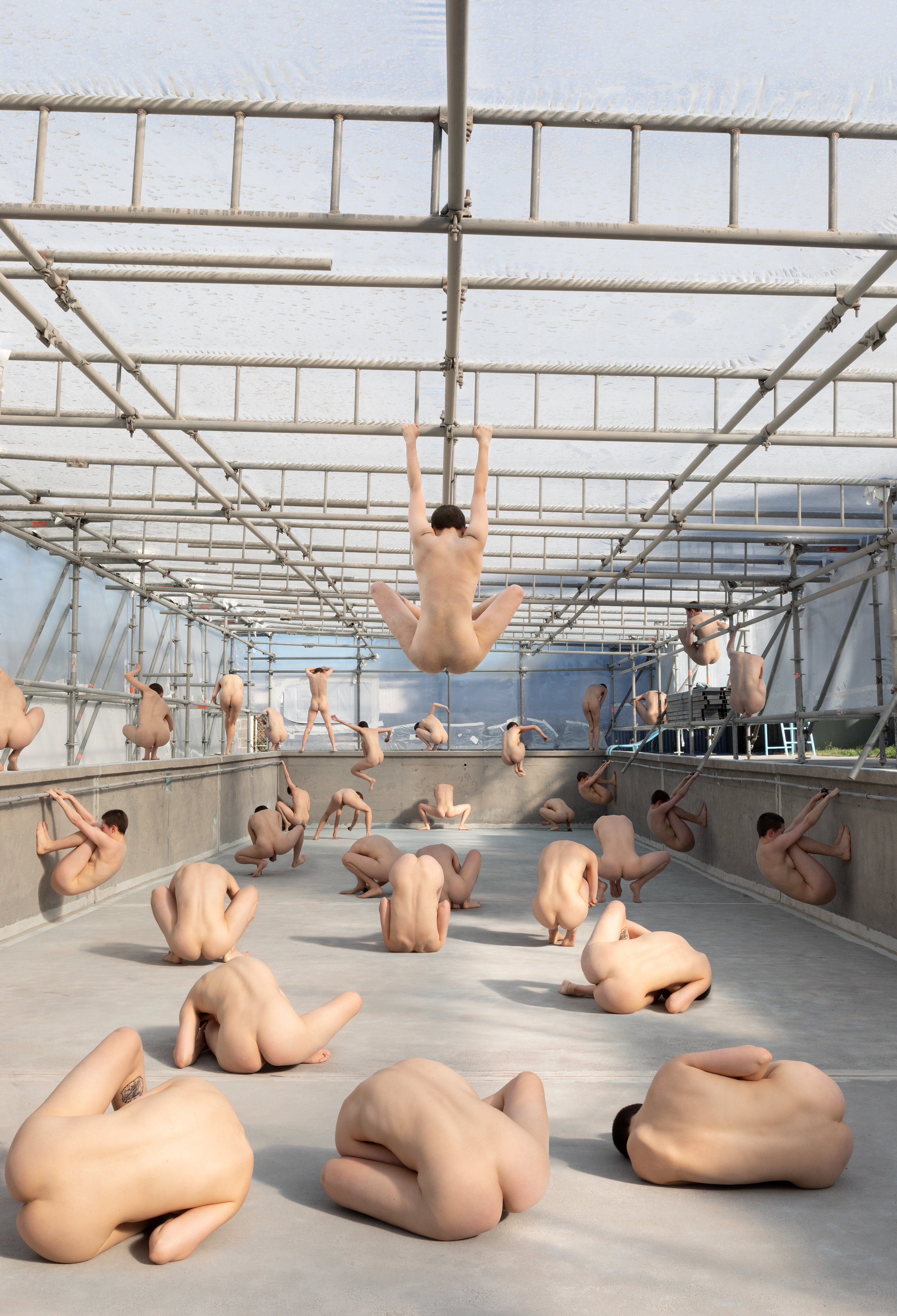
My Body Is My Vehicle #17, 2021, Dry swimming pool Governors Bay
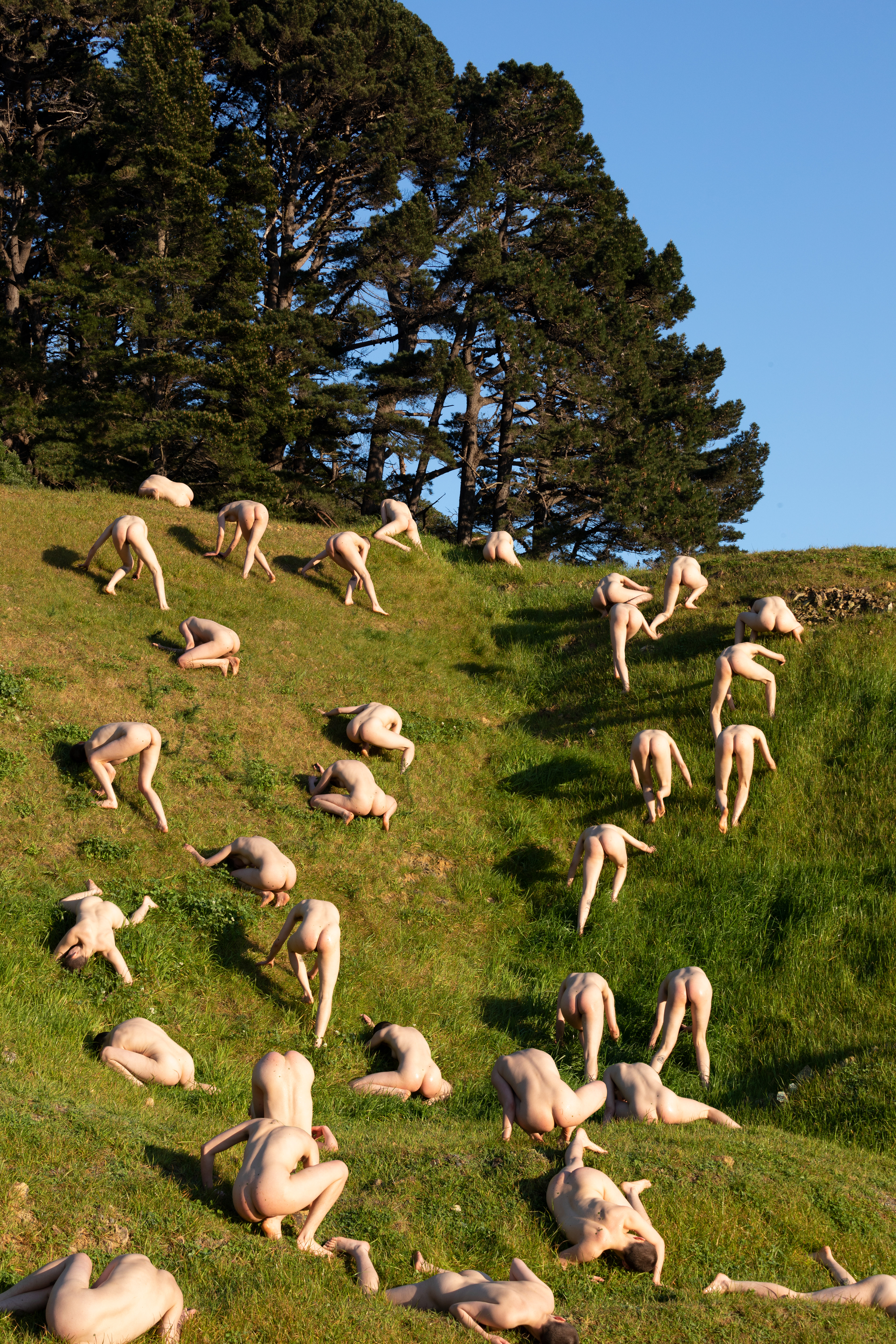
My Body Is My Vehicle #16, 2021, Excavated dirt from the Omārōrō Reservoir Wellington
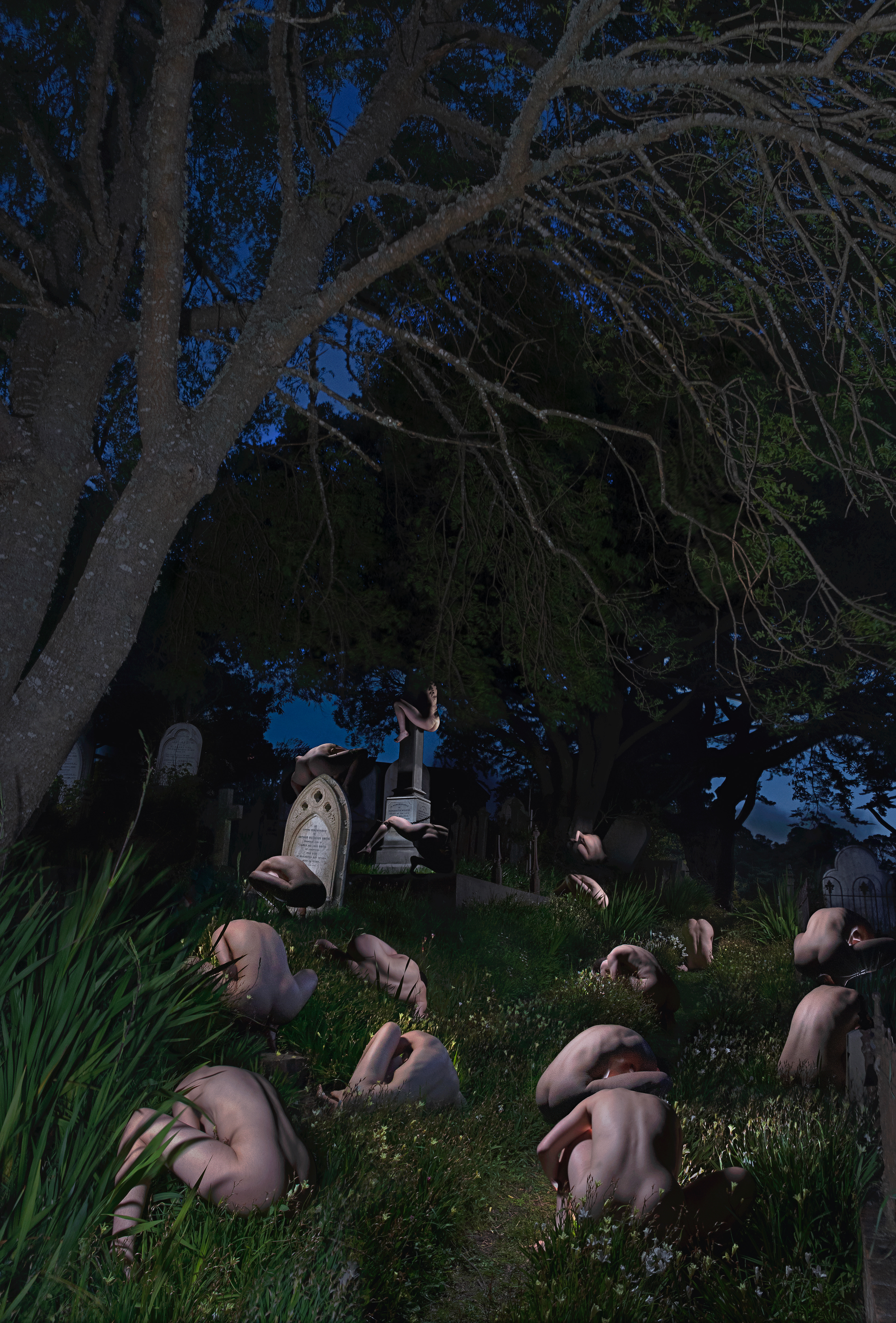
My Body Is My Vehicle #18, 2021, Bolton Street Cemetery Wellington
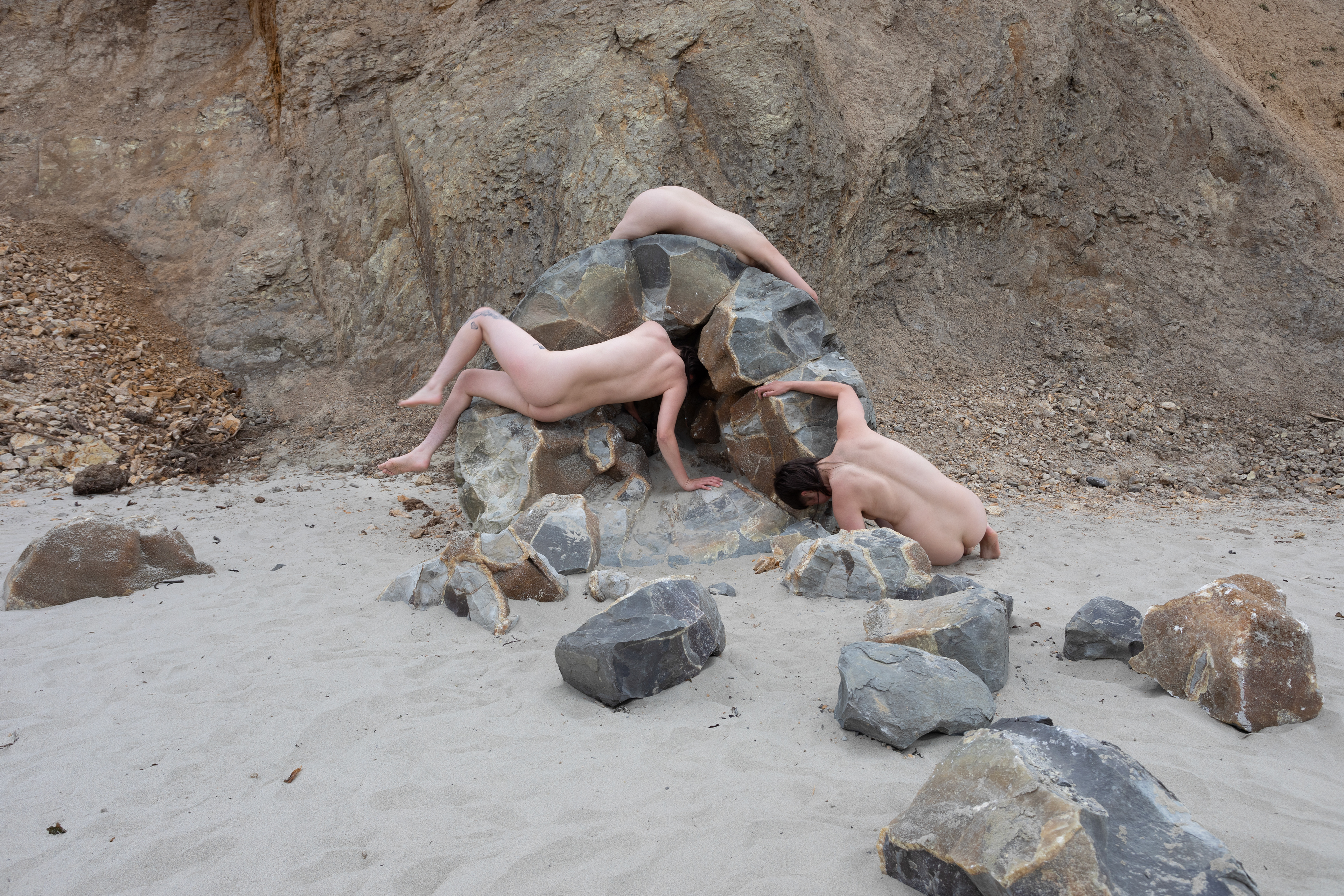
My Body Is My Vehicle #23, 2024, Moeraki
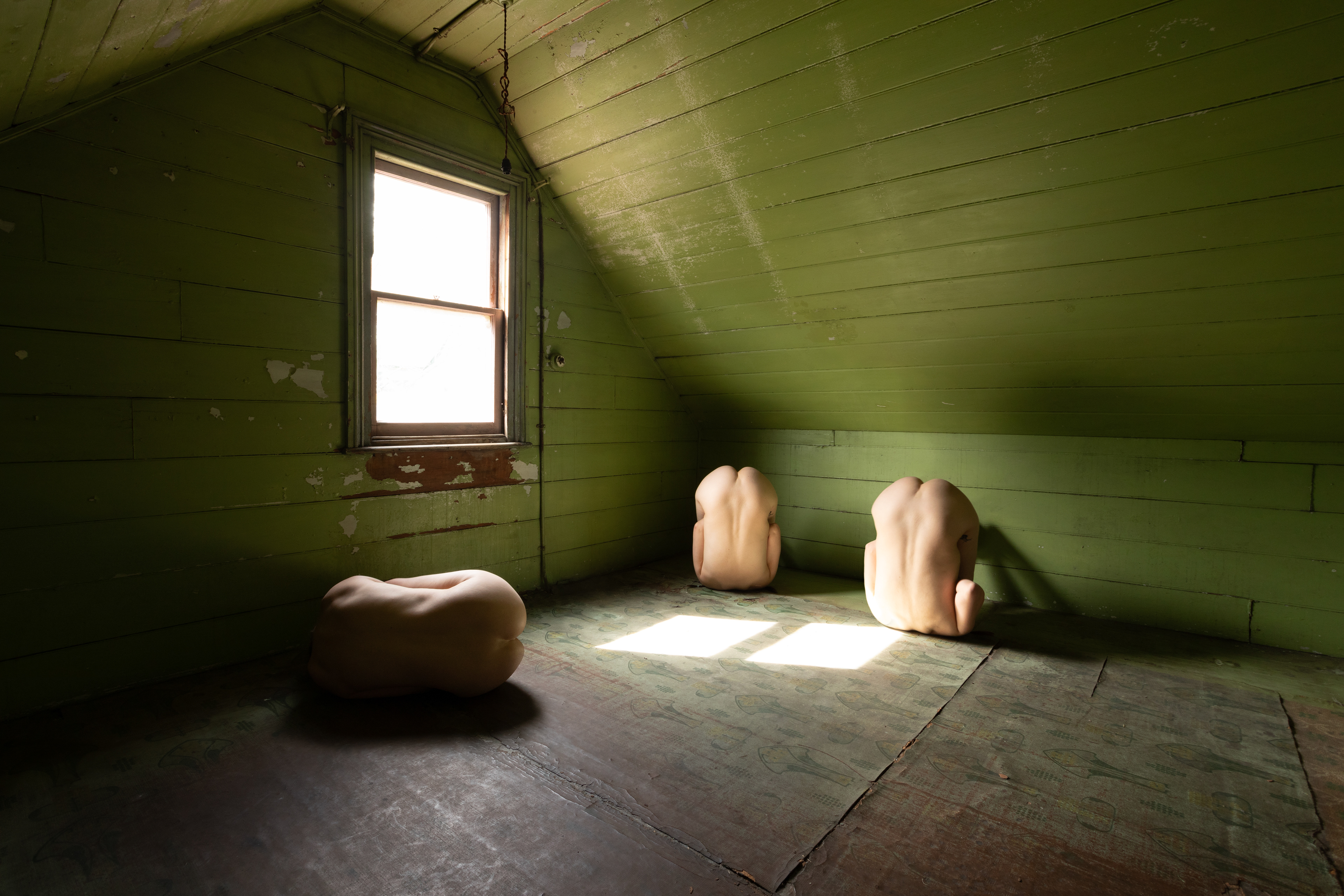
My Body Is My Vehicle #21, 2024, Grubb Cottage Lyttelton
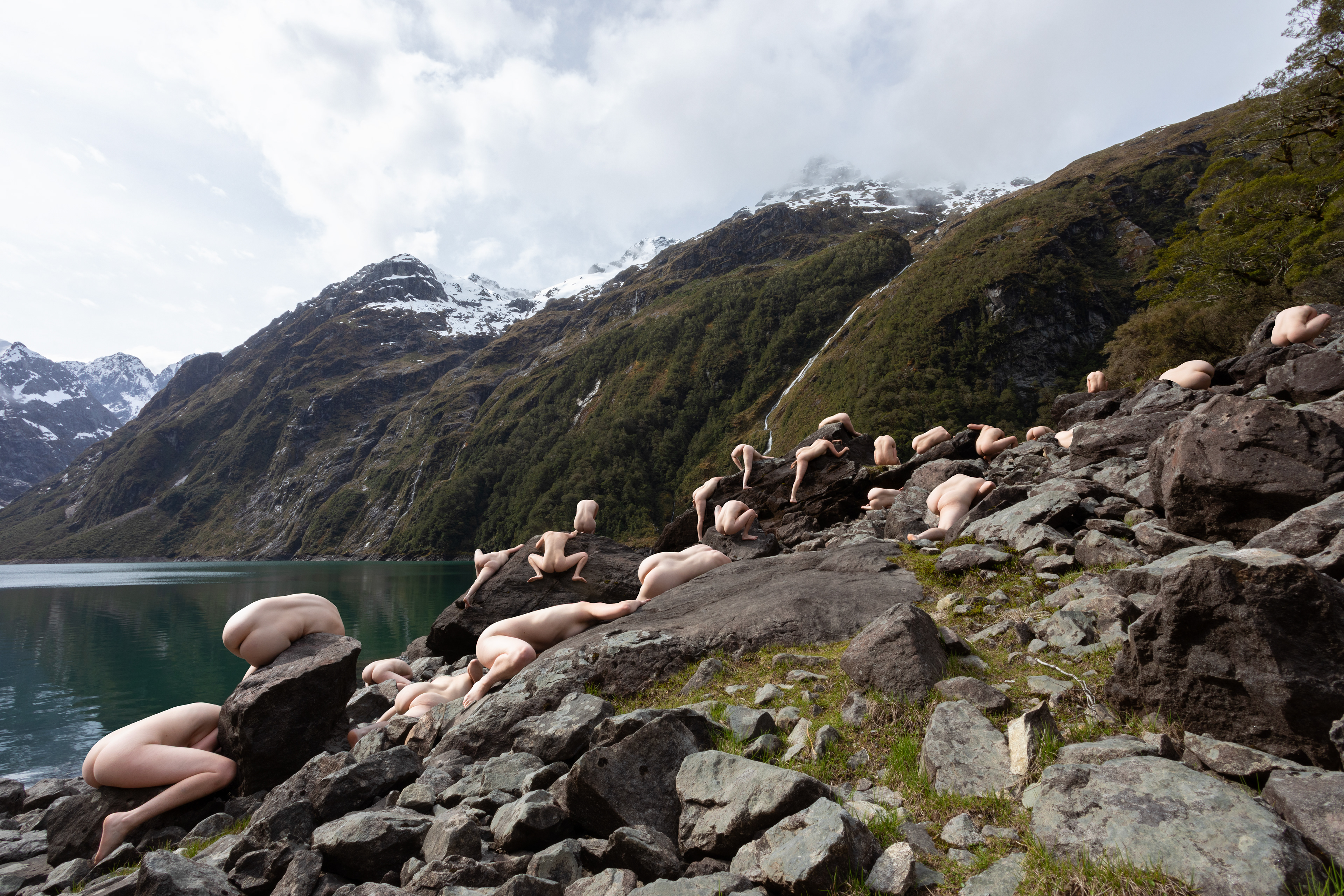
My Body Is My Vehicle #26, 2024, Lake Marion
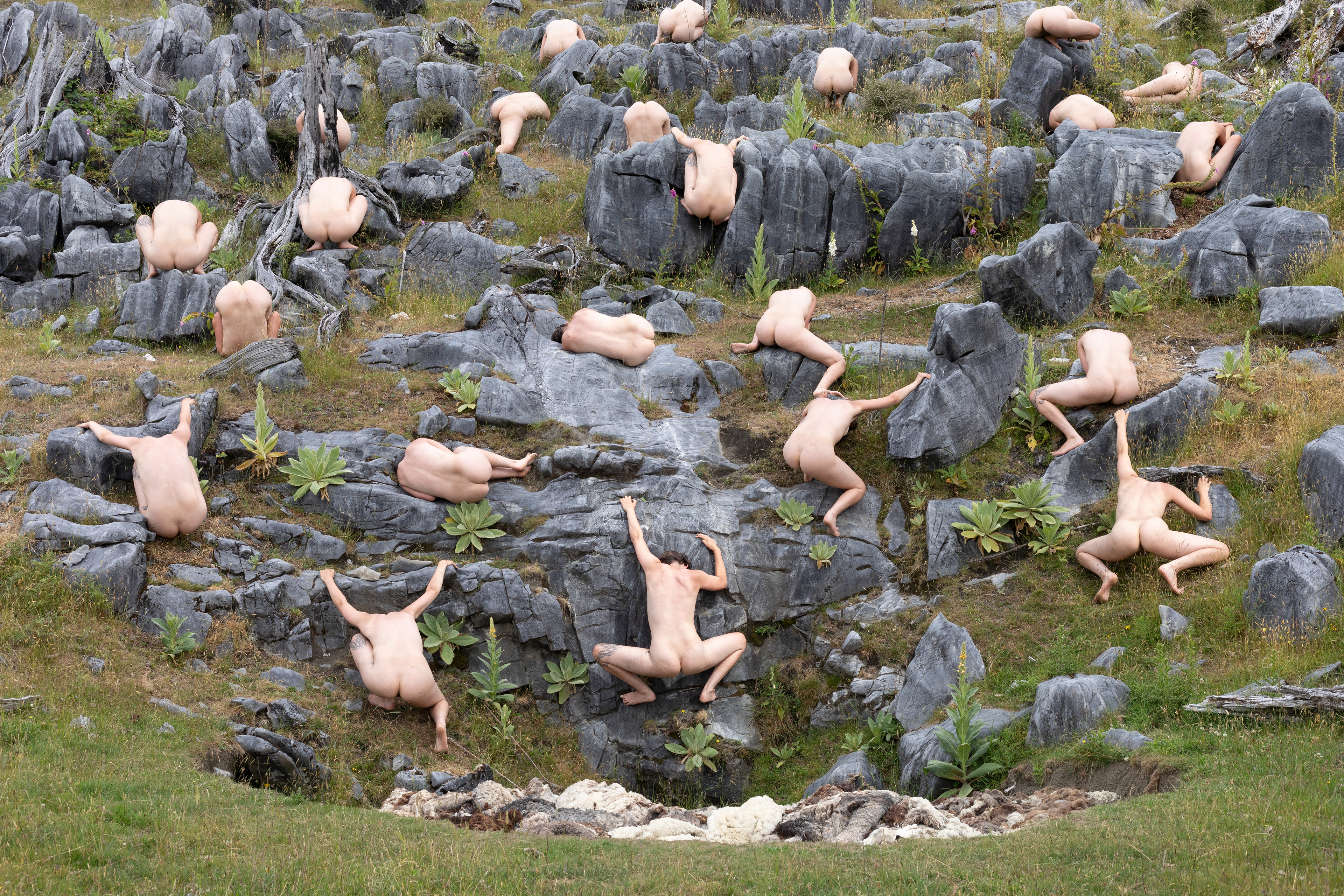
My Body Is My Vehicle #27, 2024, Takaka Hill
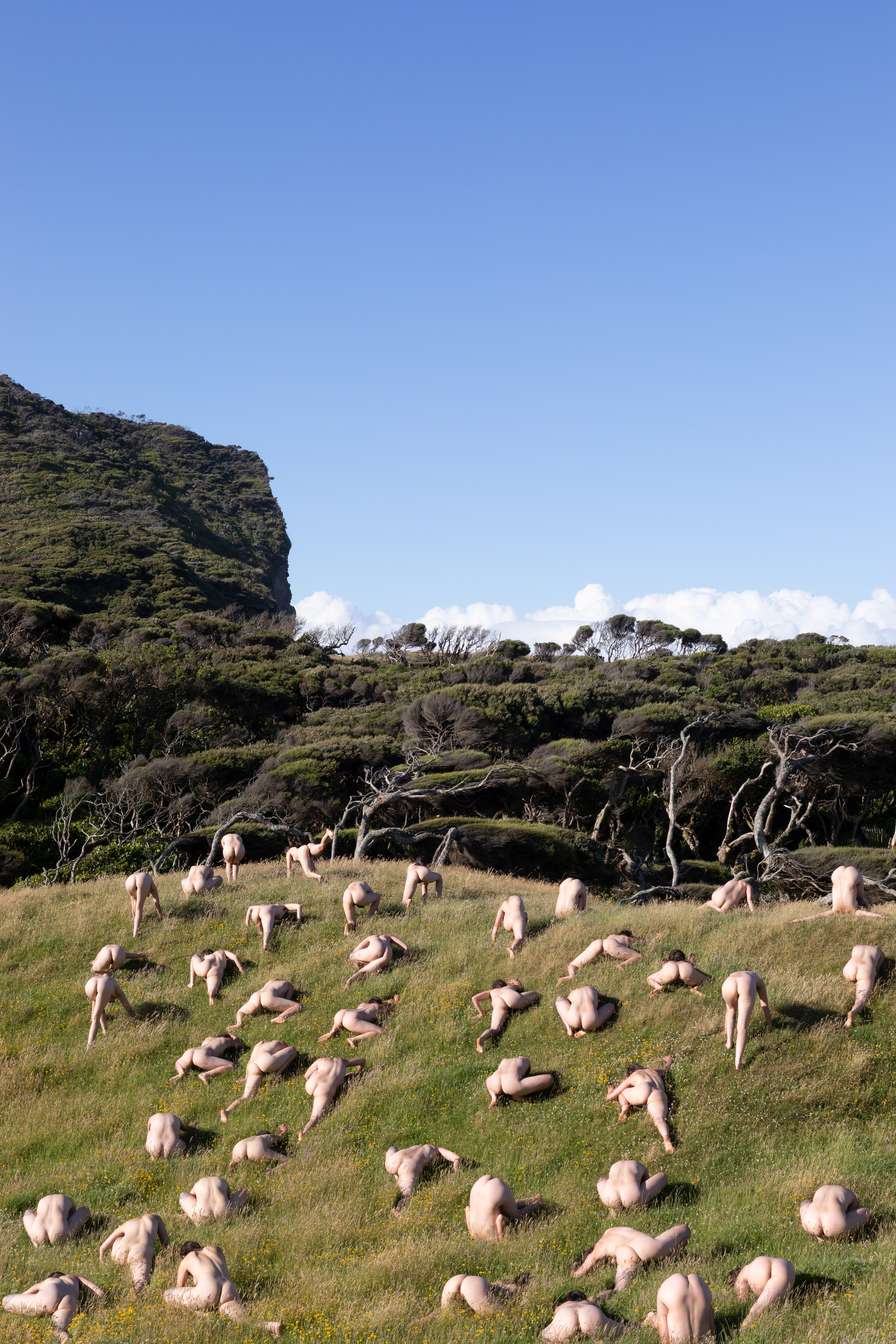
My Body Is My Vehicle #28, 2025, Wharariki
The queer image is fluid, it can be re imagined, pulled apart and reassembled. Through reinterpretation it comes to hold fundamentally different meanings and speaks to us in different ways. The queer image is multifaceted, it inhabits many boxes simultaneously, it weaves across borders.
I work from myself outwards. Before finding what queer images can do in society and community, I explore what they can do on an individual level. The expectation is not to find answers, but instead pose more questions.
Through auto-ethnographic inquiry, I abstract my experiences, reimaging my form. I look to expand my understanding of the borders of my being. My body is a battlefield of mis/representation and disconnection. Simultaneously, my body is my home. I ask, how can queer images transform a site of pain into a site of joy and beauty? What can art do for the un-entanglement of the body from gender and sexuality? Through photography I aim to give form to what I need in gender now: autonomy, healing and growth.
This series, My Body Is My Vehicle, is a documentation of a performance and activation of the body. I become a human animal, a part of and apart from nature. Through inhabiting the body in a primal manner, I am bringing about connection to my physical form. I explore physically reimaging myself to exist in a queer multiplicity. Through play I am able to have fun with that which hurts. Becoming the author of my own narrative, to me, is a decision to move in a direction to embrace my being.
In my imagery I created an opportunity to reimage and recreate my form, to reclaim agency over my portrayal, to find joy in my metamorphism. The opposite of trauma is power. Making this work is empowering myself to reclaim ownership of my body. I have learnt to formulate a coherent narrative that makes my body legible to me.
The communion of diverse queer experiences is complex and beautiful. Universal through lines bind the expansive variety of our being. Confronting that which shackles me, unchaining myself and translating this into imagery facilitates a connection back to myself, and in extension, to others.
The creation of this project was therapeutic, to open one’s skin and to crawl out from the inside. A spiritual metamorphosis. However, this work does not smoothly translate from a personal to social context. In sharing this work, I feel I am bringing it into failure. I had aimed to bring, through my work, my body into a place of non-gender and un-entanglement from sexuality. I question whether it is even possible, when using the body, to create an image removed from gender. In a chase of ambiguity, I wonder if the only thing that may bring that is absence?
Categorisation is a fundamental method of understanding in human nature. Therefore, passing is a phenomenon in the trans community. To be legible is to be understood. I have found this artmaking process has returned to me my agency, making my complex life legible has been a necessity, and in doing so I have found a way to empower myself.
The most measurable effect of this project is the work it has done to transform something once weaponized against the self into a vehicle for play and joy. Play may seem dismissible as a form of activism on the assumption it is not doing the sociocultural work. However, I believe play to be an essential tool for learning and connection. My work is vulnerable, I give of myself generously, the openness and honesty I offer provides others like me a mirror to reflect in. My hope is to have created something meaningful that facilitates beyond myself, for the individuals in my queer community, an opportunity to connect to themselves through me.